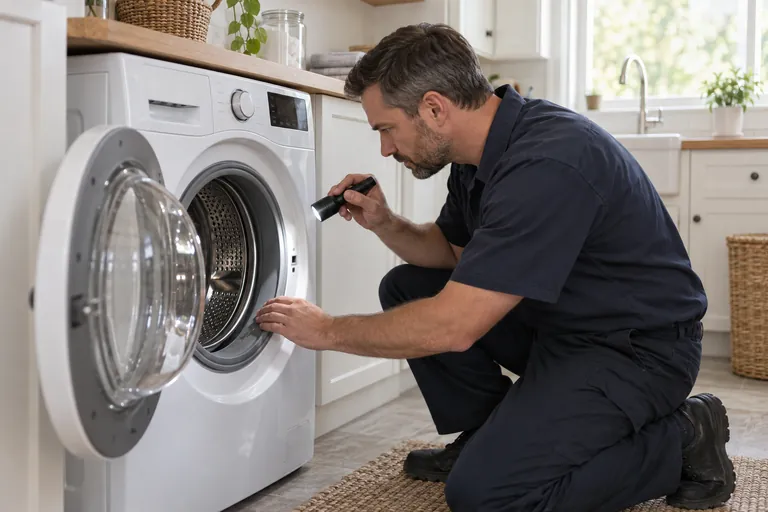
Most appliance repair businesses operate on reactive demand — the phone rings when something breaks, and revenue follows. That model works when the market is thin on competition, but in 2026, every GTA neighbourhood has multiple appliance repair options competing for the same urgent searches. Building a predictable lead pipeline means the business generates demand proactively, rather than waiting for it. Here is a practical framework for doing that.
The Five Layers of an Appliance Repair Lead Pipeline
A healthy lead pipeline for an appliance repair business draws from five distinct sources, each with different cost profiles and conversion characteristics. The strongest businesses develop all five rather than depending entirely on one.
Google Business Profile: The Foundation of Local Leads
For most appliance repair businesses, optimizing the Google Business Profile (GBP) is the highest-ROI action in the entire lead pipeline. A fully completed GBP with accurate categories, service area, hours, photos, and regular posts ranks higher in local search results and converts at a significantly higher rate than an incomplete profile.
The most impactful GBP optimization steps for appliance repair:
- Set primary category to "Appliance Repair Service" and add secondary categories for each appliance type (Washer Repair, Refrigerator Repair, etc.)
- Add your service area as specific cities and postal codes — not just your business address
- Upload at least 10 photos: technician on-site, appliances serviced, your van, completed repairs
- Post weekly GBP updates — repair tips, seasonal reminders, or case studies
- On-site service is available by appointment; submit a booking request so the team can confirm current availability.
The Review Flywheel: How Reviews Feed More Leads
Reviews in appliance repair function as a lead generation multiplier. A business with 200+ reviews averaging 4.8 stars appears in the local pack at significantly higher frequency and converts more searchers to calls than a comparable business with 20 reviews at the same rating. The review count signals to Google that the business has volume and is actively serving customers.
Automating review requests through a field service platform like Fixlify ensures every completed job generates a review request within 30 minutes of payment — capturing peak satisfaction before the customer's attention moves elsewhere. Over 12 months, this automation compounds into a review profile that generates organic leads independently.
Measuring Your Pipeline: The Metrics That Matter
A lead pipeline is only manageable if you track it. The key metrics for an appliance repair business lead pipeline are: new calls per week (by source), online bookings per week, conversion rate (calls to booked jobs), and repeat customer rate. These four numbers tell you which sources are working and where to invest more.
The compounding effect of pipeline investment: A business that builds strong Google rankings, consistent review volume, and a referral network in Year 1 sees dramatically lower cost-per-lead in Years 2 and 3 as organic channels compound. The businesses that win the GTA appliance repair market in 2027 are building their pipeline infrastructure now.
Build Your Lead Pipeline with Fixlify
Online booking, automated review requests, customer CRM, and digital invoicing — all in one platform built for appliance repair businesses.